
introduction
Building a healthy lifestyle does not always require long workouts, gym memberships, or strict fitness schedules. In today’s fast-paced world, even finding 10 minutes for exercise can feel challenging. That is where 2-minute home workout goals come in—a simple, practical, and high-impact method to stay active daily. Micro workouts eliminate excuses, fit into any lifestyle, and build powerful long-term results.
This article provides a comprehensive, easy-to-follow guide on how 2-minute workouts work, the science behind small movements, sample routines, benefits, and strategies for staying consistent. Whether you are a beginner, a busy parent, a student, or someone restarting your fitness journey, these micro goals can help you build strength and momentum without feeling overwhelmed.
Table of Contents
Why 2-Minute Workouts Are Effective
Many people believe that only long workouts can help you lose weight or build muscle. But research shows that short bouts of physical activity, even lasting 60–120 seconds, can improve energy, reduce stiffness, activate muscles, and boost metabolism. Micro workouts work because they use behavior psychology and physical science together.
1. Easy to Start
Two minutes is low pressure. There is no mental barrier or procrastination. You do not need to change clothes, prepare a mat, or gather equipment. You can simply get up and move.
2. Low Time Commitment, High Consistency
Exercise habits often fail because they demand too much time. But when the requirement is only 120 seconds, the mind becomes more cooperative. This strengthens your consistency, the most important factor in long-term fitness.
3. Activates Your Whole Body
A two-minute session increases your heart rate, activates key muscle groups, and improves blood flow. Even short movements break long hours of sitting, which is linked to poor posture, low energy, and weight gain.
4. Habit Formation
Micro goals follow the principle of “small wins.” When you achieve something simple daily, your confidence grows. That confidence pushes you toward bigger goals naturally.
5. More Energy, Less Stress
Short bursts of activity trigger endorphins—the body’s feel-good hormones. Within seconds, you feel lighter, more positive, and mentally refreshed.
Who Can Benefit from 2-Minute Home Workout Goals?
This method is suitable for almost everyone. It is especially helpful if you:
- Struggle with maintaining long workout routines
- Have a busy schedule
- Work from home or sit for long hours
- Feel tired or unmotivated to exercise
- Want a simple, no-equipment fitness routine
- Need a gentle start before moving to bigger workouts
- Are waiting for results without stressing your body
Whether you are 18 or 65, a student or an office worker, the 2-minute routine adapts to your lifestyle easily.
How to Start Your 2-Minute Home Workout Habit
Starting a micro workout routine is simple. You do not need expensive equipment, gym shoes, or large spaces. Follow this step-by-step guide for quick success.
Step 1: Fix a Trigger Time
Choose a specific cue that reminds you to exercise:
- After waking up
- Before your shower
- After lunch
- Before bed
- Every time you take a screen break
Consistency comes from pairing the habit with an existing routine.
Step 2: Use a Timer
Two minutes can feel longer or shorter than you think. A timer adds structure and eliminates guesswork.
Step 3: Combine 2–4 Simple Exercises
You can:
- Do one exercise for 2 minutes
- Do two exercises for 1 minute each
- Do four exercises for 30 seconds each
Mix and match based on your energy level.
Step 4: Track Progress
Use a notebook or mobile app. Writing “2-minute workout done” every day builds motivation.
Step 5: Scale Gradually
As your endurance increases, you can increase pace, reps, or add one extra minute if needed.
Best 2-Minute Exercises You Can Do at Home
The key to maximizing a 2-minute workout is choosing workouts that activate large muscle groups and increase heart rate quickly.
Below are the most effective no-equipment exercises:
1. Jumping Jacks
Great for warm-up, energy boost, and full-body activation.
2. High Knees
Targets the core, legs, and cardiovascular system.
3. Squats
Strengthens glutes, quads, and improves posture.
4. Push-Ups
Works chest, arms, shoulders, and core stability.
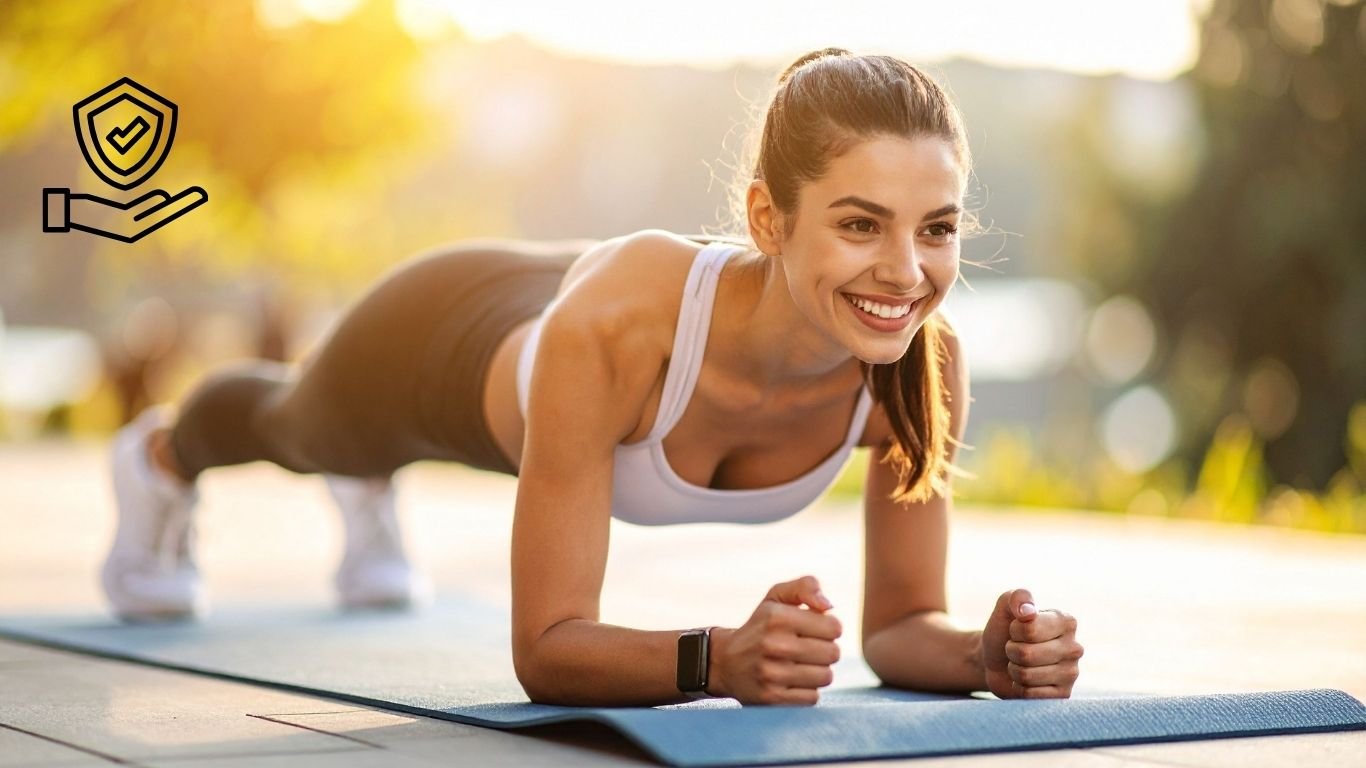
5. Plank
Strengthens the core, spine, and improves balance.
6. Mountain Climbers
High-intensity move for quick calorie burn.
7. Standing March
Perfect for beginners or people with joint pain.
8. Wall Sit
Isometric strength builder for legs.
9. Arm Circles
Improves shoulder mobility and warms upper body.
10. Stair Steps or Step-in-Place
Boosts heart rate and improves overall endurance.
11. Lunges
Good for legs, balance, and glute activation.
12. Glute Bridges
Excellent for lower back health and hip mobility.
13. Side Leg Raises
Improves core stability and tones legs.
14. Toe Touches
Helps stretch hamstrings and improve flexibility.
Five 2-Minute Sample Routines to Try Daily
You can rotate these routines through the week to keep your body challenged and avoid boredom.
Routine A: Full-Body Daily Starter
- 30 seconds: Jumping jacks
- 30 seconds: Squats
- 30 seconds: Push-ups
- 30 seconds: Plank
Routine B: Beginner Friendly
- 30 seconds: Standing march
- 30 seconds: Wall sit
- 30 seconds: Arm circles
- 30 seconds: Slow knee lifts
Routine C: Core and Belly-Focused
- 1 minute: Plank
- 1 minute: Mountain climbers (slow or fast)
Routine D: Strength and Tone
- 1 minute: Squats
- 1 minute: Push-ups (regular or knee push-ups)
Routine E: Midday Energy Booster
- 30 seconds: High knees
- 30 seconds: Stair steps
- 30 seconds: Toe touches
- 30 seconds: Side leg raises
These routines take only 2 minutes but activate your full body and improve metabolism instantly.
How Often Should You Do 2-Minute Workouts?
The beauty of micro workouts is that they can be done:
- Once a day
- Every few hours
- Between long work sessions
Even one 2-minute session daily builds discipline. But if you repeat the routine 3–5 times a day, you can burn calories equal to a full workout.
For example:
2 minutes × 5 times = 10 minutes of total exercise
This method is powerful for people working long desk jobs.
What Kind of Results Can You Expect?
Consistent 2-minute workouts can deliver visible changes in:
- Energy levels
- Posture
- Mental clarity
- Muscle tone
- Core strength
- Confidence
- Calorie burn
They are not meant to replace full workouts but act as a foundation habit that leads to better fitness choices over time.
1. Weight Management
Short, repeated movements during the day help increase calorie expenditure and boost metabolism.
2. Better Mobility
Micro stretches and movements reduce joint stiffness and improve flexibility.
3. Improved Strength
Repeating small strength exercises like squats and push-ups daily builds muscle endurance.
4. Reduced Stress
Physical activity lowers stress hormones and stabilizes mood.
5. More Daily Discipline
Completing a micro goal strengthens your mindset and self-belief.
The Science Behind Micro Workouts
Short workouts work because of three scientifically backed principles:
1. MET Boost
Activity increases your body’s metabolic equivalent (MET). Even small rises improve calorie burn for hours afterward.
2. NEAT Movement
Non-Exercise Activity Thermogenesis means calories burned from daily casual movement. Micro workouts increase NEAT significantly.
3. Habit Loop
Micro habits use the cue–routine–reward loop. When the habit is easy, the brain adopts it quickly.
Together, these factors make 2-minute workouts surprisingly effective.
Tips to Stay Consistent with Your 2-Minute Workout Goal
1. Pair It with an Existing Habit
For example:
- After brushing your teeth
- Before morning tea
- After your office lunch break
- Every time you check your phone
This “habit stacking” technique boosts compliance.
2. Make It Enjoyable
Choose exercises you enjoy, so your mind doesn’t resist.
3. Avoid Perfection Thinking
If you miss one day, simply continue the next. No guilt.
4. Keep It Visible
Put your routine on your wall, desk, or mobile home screen.
5. Track Even the Smallest Progress
Tracking increases motivation by showing your effort.
6. Celebrate Wins
Acknowledging small achievements increases long-term consistency.
How to Transition from 2 Minutes to Longer Sessions
Once your body adapts, you may want to progress to bigger goals. Here’s how to scale:
Option 1: Add 30 Seconds Every 2 Weeks
This slow increase prevents burnout and builds long-term endurance.
Option 2: Increase Intensity
Switch from basic squats to jump squats or from slow high knees to fast ones.
Option 3: Add More Sets
Instead of one 2-minute session, do two sessions—one morning, one evening.
Option 4: Add New Exercise Types
Strength, cardio, flexibility, and balance. This creates a balanced fitness routine.
Why 2 Minutes Matters More Than You Think
Most people fail because they aim too big too soon.
But fitness is not a one-day game. It is a relationship with your body.
Two minutes:
- Removes resistance
- Rewires your mindset
- Builds confidence
- Builds identity: “I am someone who exercises daily.”
- Creates the foundation for big lifestyle change
Successful fitness journeys are built on small daily actions, not occasional intense efforts.
Common Mistakes to Avoid
1. Trying to Do Too Much Early
Stick to 2 minutes. Do not increase too fast.
2. Comparing with Others
Your journey is unique. Focus on your consistency.
3. Doing Only One Type of Exercise
Rotate workouts to avoid injury and boredom.
4. Skipping Warm-Up
Even 10–15 seconds of stretching helps prevent strain.
5. Not Tracking Progress
Tracking helps you stay disciplined and motivated.
Conclusion
2-minute home workout goals are one of the simplest and most effective ways to introduce fitness into your life. They require no equipment, no special skills, and no major time commitment. In just two minutes, you can activate major muscle groups, increase circulation, reduce stress, and build a stronger mindset.
Over time, these micro habits build powerful physical and mental transformations. The goal is not perfection—it is consistency. When you commit to two minutes every day, you create a strong foundation that can grow into long, healthier routines.